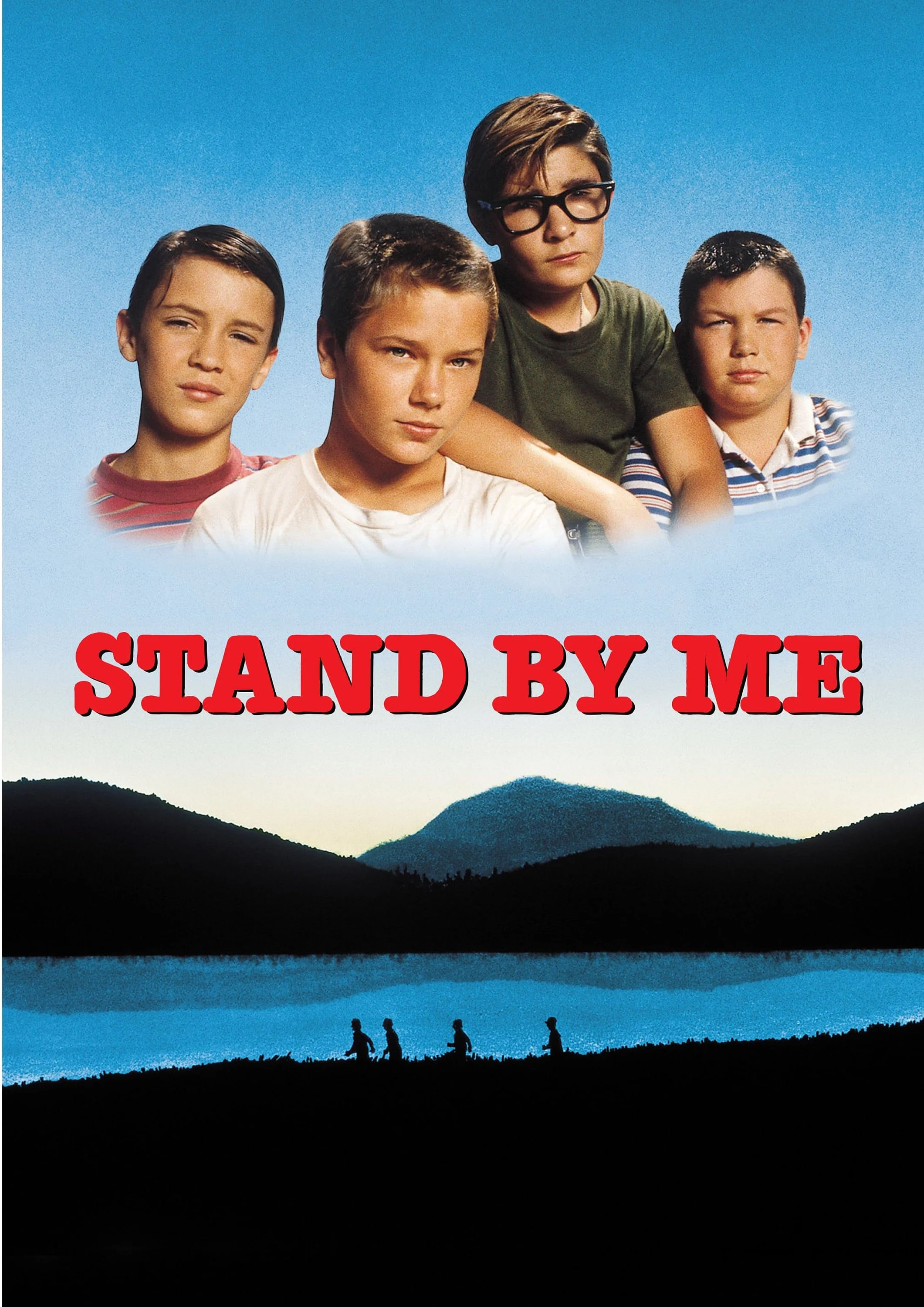
Release date: August 22, 1986 (USA)
Director: Rob Reiner
Distributed by: Columbia Pictures
In the wake of Rob Reiner’s tragic death, it feels only fitting to revisit Stand By Me (1986), which I recently saw on 35mm at the New Beverly Cinema in Los Angeles. The New Beverly, often called the “New Bev,” is owned by Quentin Tarantino and is known for screening films in their original formats, so seeing Stand By Me projected on 35mm felt especially appropriate. The film is based on Stephen King’s novella The Body, and its title comes from the Ben E. King song “Stand by Me,” which plays a central role in shaping the film’s tone and emotional memory.
The film follows four young boys who set out on a journey to find the body of a missing boy. Along the way, the quest becomes a meditation on friendship, mortality, and the loss of childhood innocence. River Phoenix’s performance was widely praised and became one of his most iconic roles, and I can see why! For someone so young—Rivers was 14 at the time—his performance as Chris Chambers feels unusually weighty, and on film, you can feel the tension between childhood and being forced into emotional adulthood.
Moreover, it was quite intense to see how the boys were forced to confront things they didn’t fully understand yet; for example, death, cruelty, and the reality that adulthood is closer than they want it to be. Gordie, played by Wil Wheaton, grapples with grief over his older brother’s death and his parents’ emotional distance. Meanwhile, Chris faces obstacles when the reputation and the expectations placed on him because of his family come into the spotlight. By the time the boys find the body, their journey has stopped being about the discovery itself. Instead, it became a turning point, marking the quiet end of their childhood and the beginning of the lives that will eventually pull them apart.
The costumes were especially effective because, although the film was released in 1986, it is set in the late summer of 1959. Costume designer Sue Moore avoided commercial nostalgia in the glossy sense, like the more recent seasons of Stranger Things or the Fear Street franchise, and instead leaned into everyday realism. The boys’ clothes feel worn and practical: cuffed jeans, striped T-shirts, denim jackets, scuffed sneakers, and baseball caps that look slept in rather than styled.
Additionally, the cinematography feels simple in the best way—warm, dusty light, long stretches of railroad tracks, and wide shots that make the landscape feel both open and lonely. The camera mostly stays at the boys’ level and doesn’t call attention to itself, which makes everything feel more honest, like you’re walking alongside them rather than watching from a distance.
Ultimately, Stand By Me endures because it never overstates its message. It uses small moments like shared jokes, quiet confessions, and long walks to carry the weight of growing up. Watching it now, especially in a theater in its original format, the story feels less like a nostalgic look back and more like a reminder of how brief and formative one’s upbringing is. The movie ends, but the feeling lingers over you. You’re reminded of certain friendships that shaped you, even if they didn’t follow you into adulthood.